


Oblique Wedge
Category: Custom Parts
Product Details
Wedge is a kind of mechanical device that uses the principle of inclined plane. It is mainly used to transmit power, change the direction of movement or realize automatic reset and other functions. Wedge is widely used in mold manufacturing, mechanical transmission, automation equipment and other fields, especially in the need of automatic reset or forced reset mechanism, wedge plays an important role.
Application of Wedge in Mold Manufacturing
In mold manufacturing, wedges are often used in stamping molds and injection molds to achieve automatic reset or forced reset. For example, automotive molds, rubber and plastic molds, home appliance molds and other fields widely use wedges as standard parts to ensure that the mold can be accurately reset during the work process and ensure product quality.
Application of oblique wedge in core drilling
In the field of core drilling, oblique wedges, also known as eccentric wedges, are used to force the borehole to change its orientation to form a controlled directional hole trajectory. This technology is very important in geological exploration and mineral resource development, which can help engineers to achieve precise control when designing drilling trajectory, and improve drilling efficiency and effect.
Key words:
Forge piece
Previous: Custom Parts
Next: No more!
Product Consulting
Leave contact information and get free product quotation.
Related Products
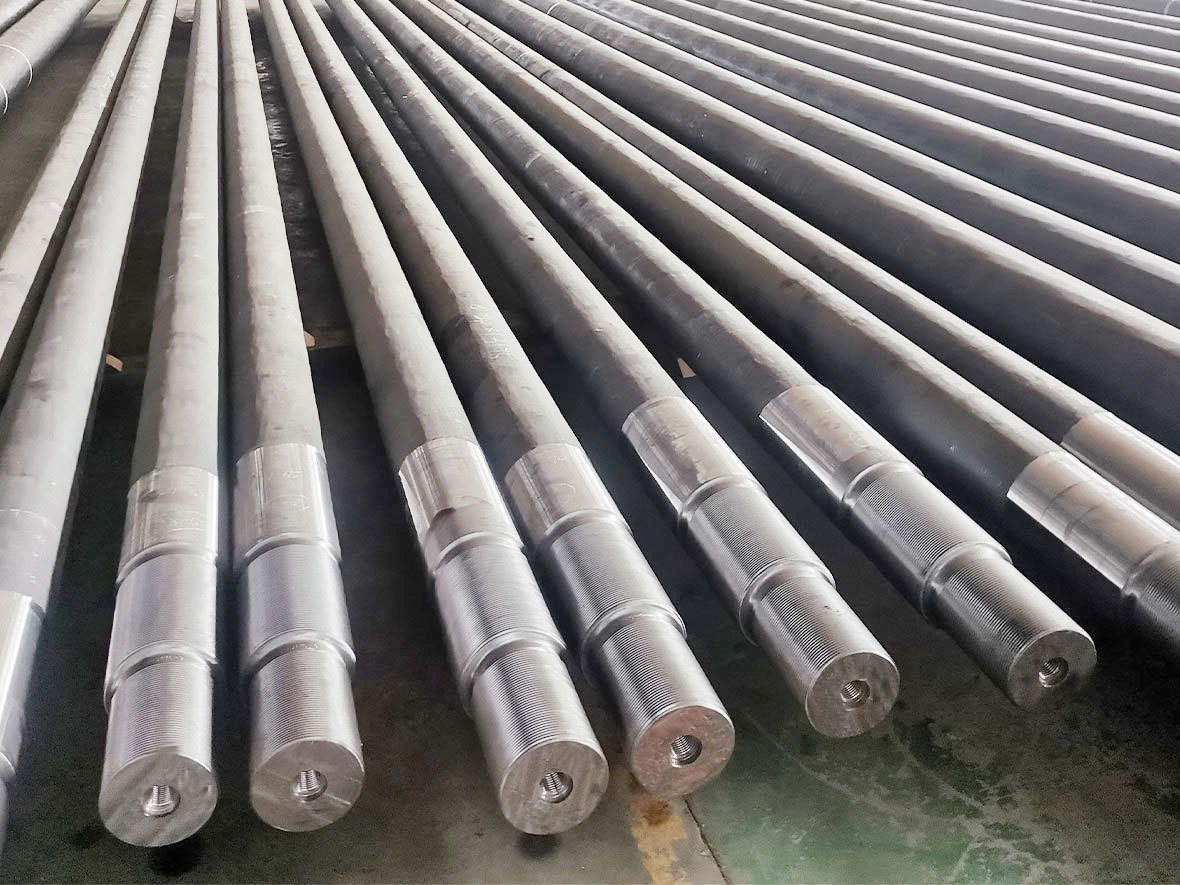

High pressure oil pipe
A shaft is a mechanical part that supports a rotating part and rotates with it to transmit motion, torque or bending moment.
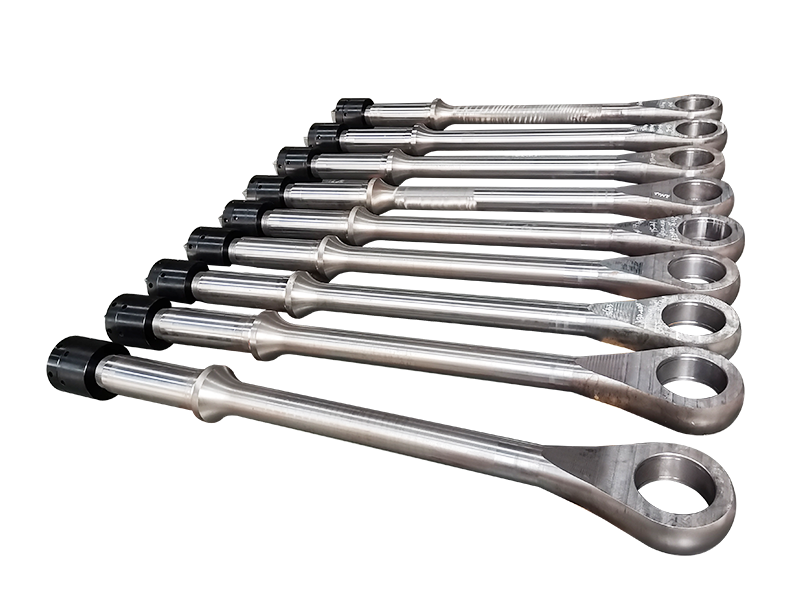
Continuous casting machine pull rod
A tie rod is a rod-shaped member installed on machinery or buildings for traction. It is usually nested by tubes of different diameters and can be elongated or shortened.
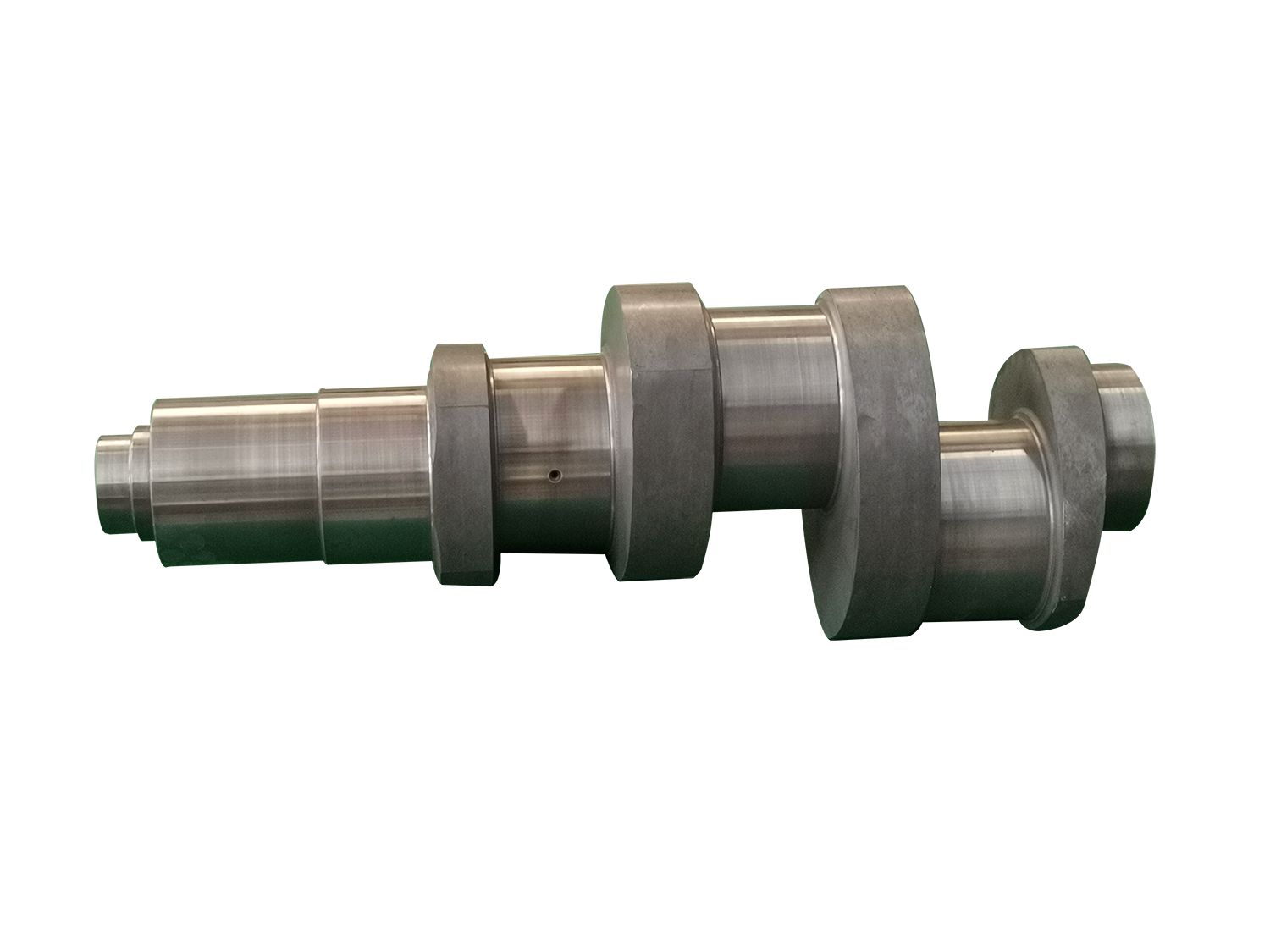
Crankshaft
The crankshaft is the most important part of the engine. It bears the force transmitted by the connecting rod and converts it into torque to output through the crankshaft and drive other accessories on the engine to work.

Oil pump truck connecting rod
The connecting rod group is composed of a connecting rod body, a connecting rod big head cover, a connecting rod small head bushing, a connecting rod big head bearing bush and a connecting rod bolt (or screw).
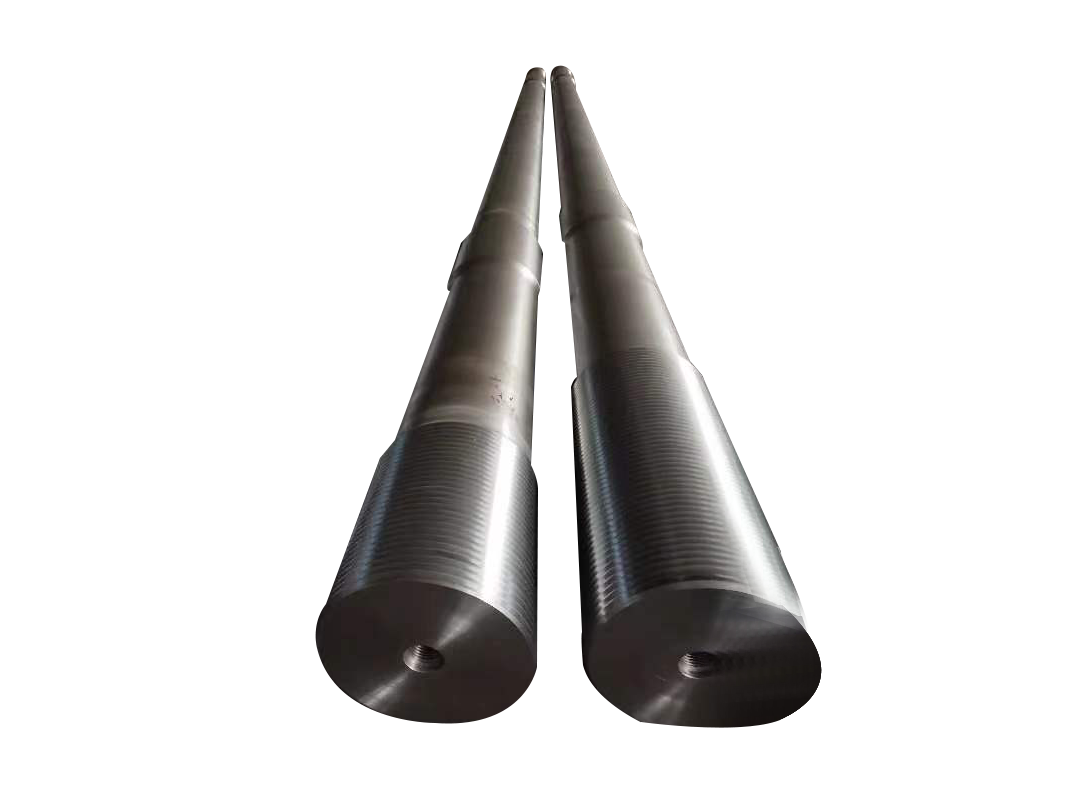
Press rod
A shaft is a mechanical part that supports a rotating part and rotates with it to transmit motion, torque or bending moment.
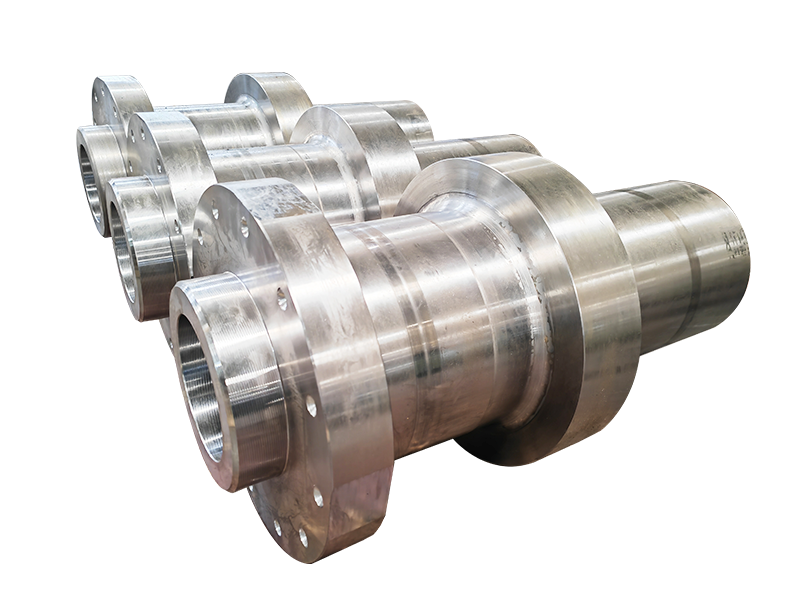
Guide column
The main function of the guide column is to provide support and guidance. The guide column is mainly used to provide support and guidance in the mold design to ensure that the various parts of the mold can work accurately and stably.
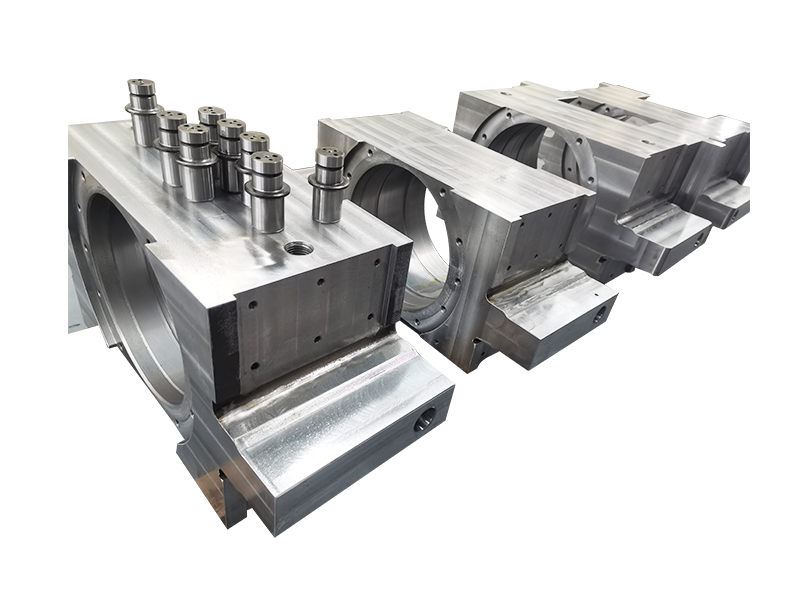
Rolling mill bearing seat
The turntable bearing seat is a kind of large and extra-large bearing seat that can accept comprehensive load and has special structure. It has the characteristics of compact structure, sensitive rotation and convenient maintenance of the device.
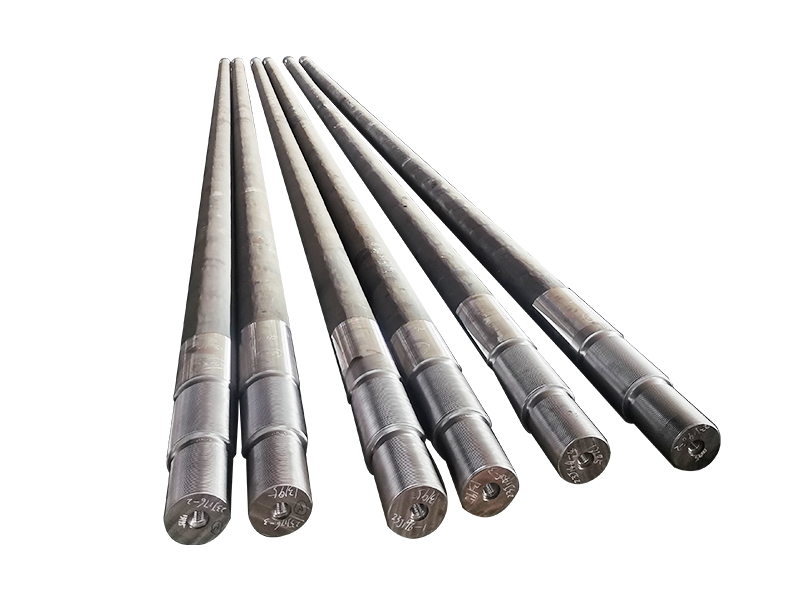
Press rod
A shaft is a mechanical part that supports a rotating part and rotates with it to transmit motion, torque or bending moment.
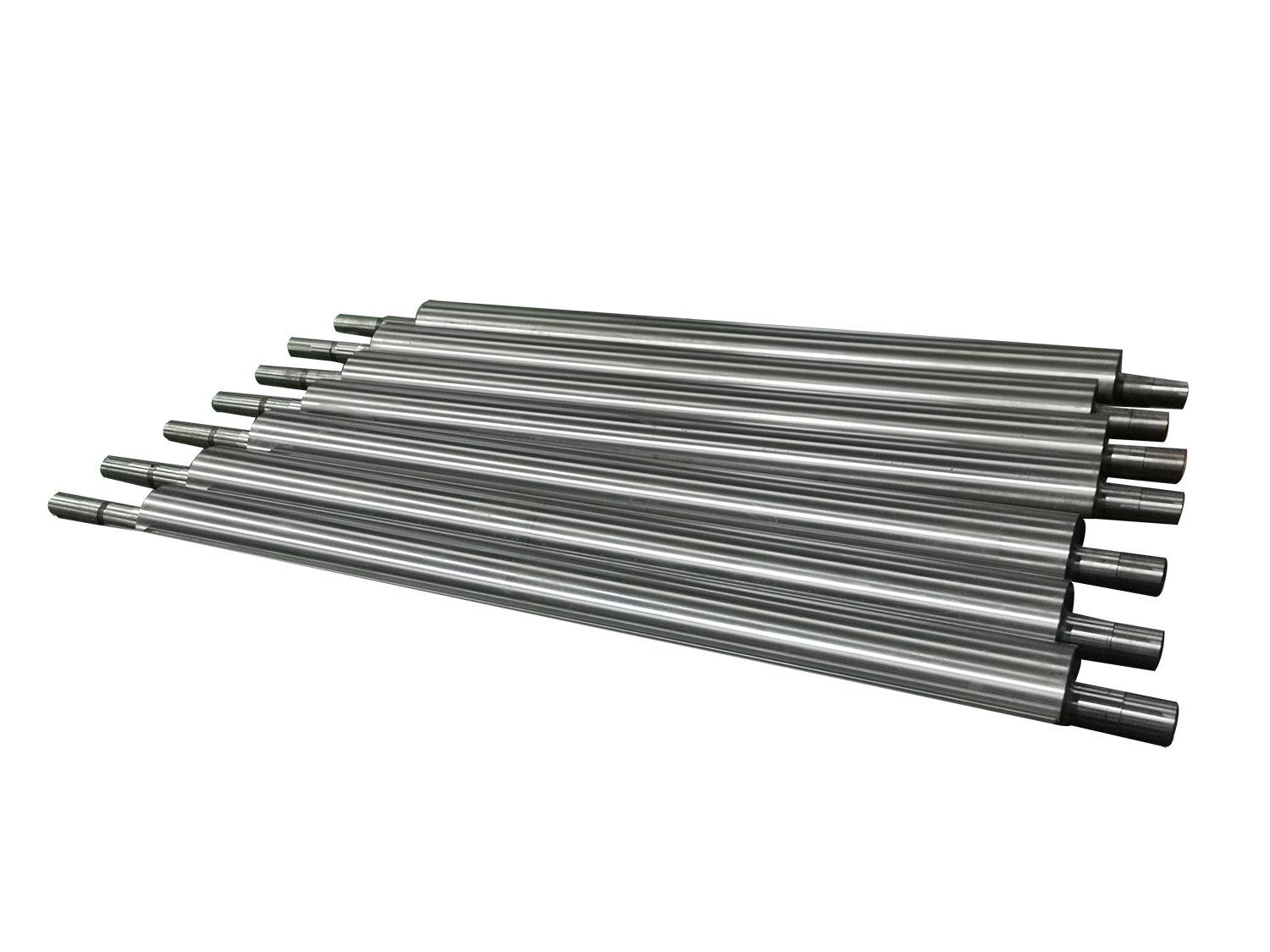
Leveling roll
A shaft is a mechanical part that supports a rotating part and rotates with it to transmit motion, torque or bending moment.
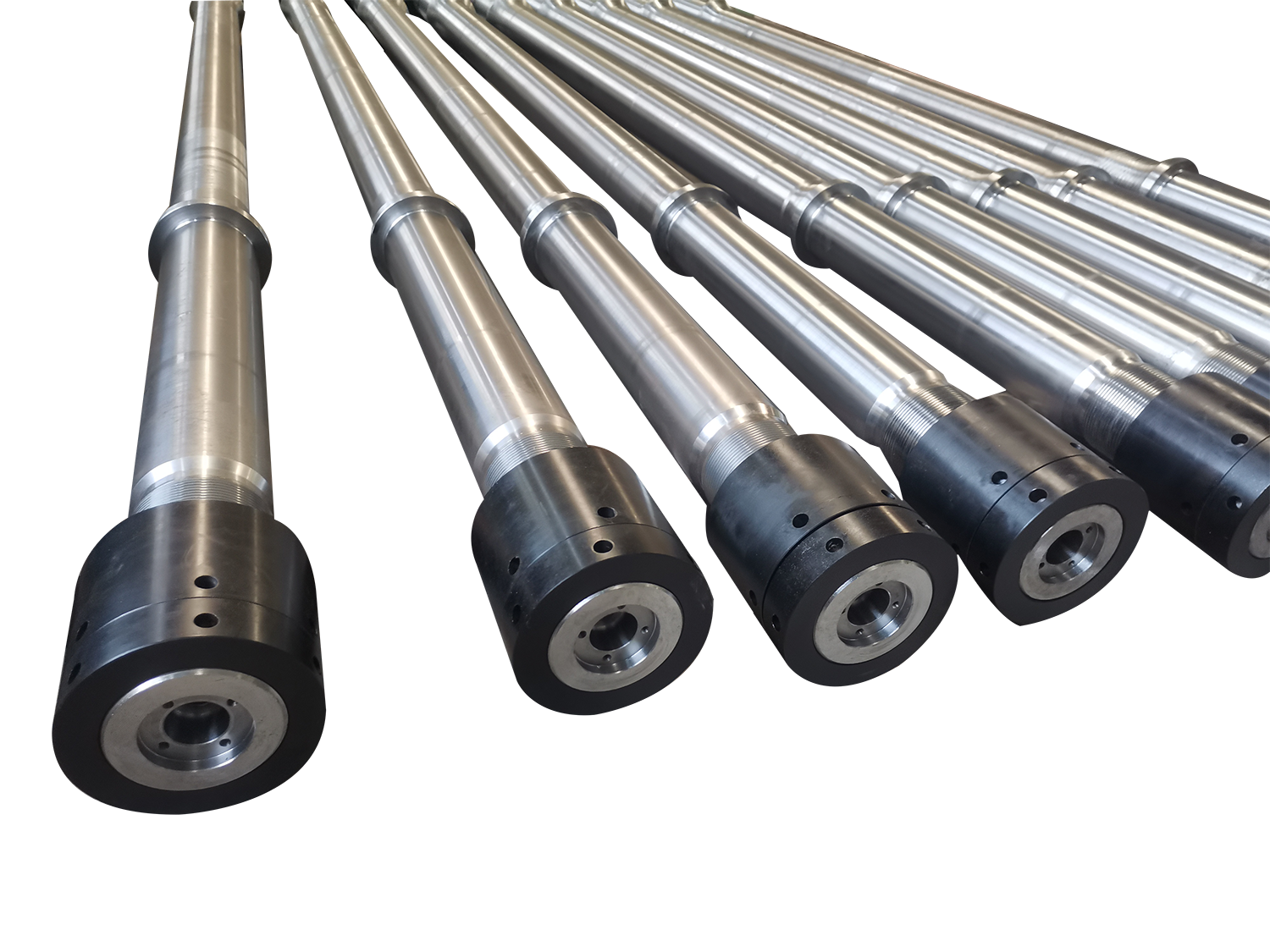
Continuous casting mill tie rod
A roller is a mechanical element that transmits power through rotation. Generally cylindrical shape, often made of metal, rubber and other materials. In industrial production, rollers are usually used as force transmission devices, transfer materials or processing surfaces.
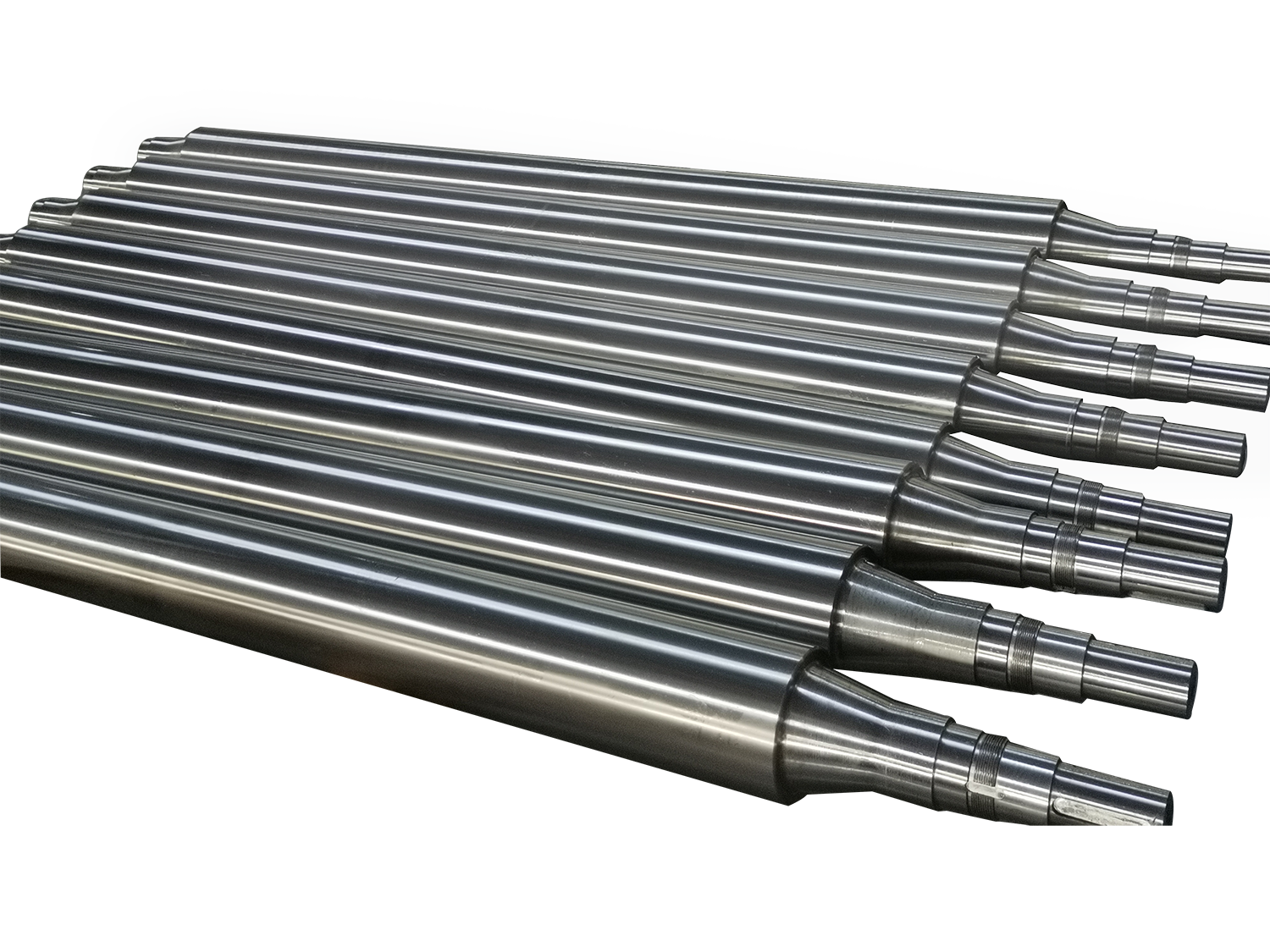
Leveling roll
A roller is a mechanical element that transmits power through rotation. Generally cylindrical shape, often made of metal, rubber and other materials. In industrial production, rollers are usually used as force transmission devices, transfer materials or processing surfaces.